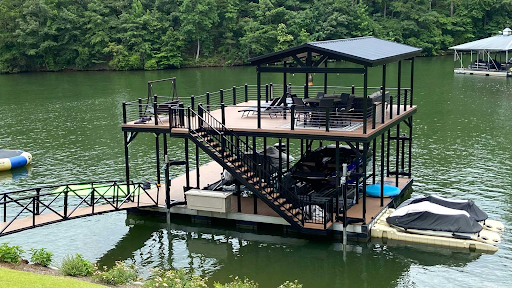
How to Care for Your Aluminum Boat Dock: Easy Maintenance Tips for Lasting Beauty
Harsh weather conditions pose serious threats to the security of waterfront property. Even though aluminum has been hailed for its robustness, corrosion resistance, and maintenance freedom, any structure will be put to a severe test when faced with hurricanes and harsh summer gales. After the weather has passed and everything is safe, checking the state of your waterfront equipment should become one of the first tasks you will need to undertake.
Your aluminum boat docks require much more than just cleaning. After surviving the adverse weather conditions, you must check the docks to determine whether there are any damages that have been caused by the weather. This will enable you to avoid small problems turning into big ones.
Safety First: Pre-Inspection Checklist and Gear
Make sure you are prepared and inspect the dock properly and safely by checking if the dock is steady. Just a few simple precautions will ensure that you will be able to check for any kind of damage safely. This is how to get prepared for your inspection:
- Check from Shoreline: Look at the structure from the safety of the ground. Use binoculars to check the level and stability of the dock before setting foot on it.
- Disable the Power Source: Turn off the power switch for the dock or shore stations. The absence of any power makes it totally safe to move around all the electrical installations.
- Use Proper Safety Gear: Ensure you are protected by wearing a Personal Flotation Device (PFD), tough gloves, and non-slip footwear.
Examining the Framework and Structural Welds
The strength of an aluminum system is dependent upon its frame and weld points. The dynamic loads of waves and wind may produce immense torque on these connections.
Move slowly around the frame structure and examine the major walkways, trusses, and beams. Look out for any cracks or deformations at the welding joints, especially at those parts which connect the structure to the abutments and seawalls on the mainland because these are the parts which are most stressed by the waves. If there is any sign of deformation or crack in the rail and the weld point, no load should be applied to that part.
Inspecting Fasteners and Connection Points
Strong winds create vibration, and waves lead to loosening and damage to the hardware used. A thorough visual and physical inspection of all joints is crucial.
Inspect all bolts, hinges, connectors, and cleats in all the connections of the design. Make sure that the hardware is secure and not highly distorted. The lack of bolts or distortion of connecting hardware leads to a lack of integrity of the whole structure, leading to twisting of the various sections when there is no extra stress on them.
Evaluating Decking, Cleats, and Surface Accessories
Though the frames hold up the entire structure, the panels and surfaces are capable of taking the impact of different forces like floating objects and waves.
- Decking Panels: Inspect the panels for loose or dislodged panels. For the aluminum deck, beware of deep scratches or missing fasteners. On the other hand, be sure that the composite and wood filler panels do not warp or fail to have retention clips.
- Cleats & Rub Rails: Inspect your cleats to see if they have been pulled out of or twisted out of the mounting channel. Make sure you use rubber or vinyl rub rails to ensure that there is no damage to your boat.
- Hardware and Fasteners: Inspect the bolts, nuts, and connection pins that are loose, rusted, or damaged by heavy wave action.
Inspecting Anchorage, Piling Attachments, and Floats
When it comes to floating docks, the anchor system that operates underwater and along the shoreline is what prevents you from losing out in cases where water levels rise.
Inspect all piling guide hoops, rollers, spud poles, or anchor cables. Check that the piling guides move smoothly without any interference from the pilings. In the case of floating docks, check the condition of the float drums below, looking for any tears, cracks, or water displacement.
Documenting Damage for Insurance and Professional Repairs
Should you come across any considerable damage while inspecting the boat, you must document it properly, for this will be important when making claims against insurance companies and getting estimates of repair costs.
Be sure to take well-resolved photos and video footage, taking various views of the damage, as well as wide-angle shots of the boat’s alignment in general. Make sure to prepare a list of the damaged items. Reaching out to specialists in marine fabrication will help ensure that the repairs are done according to all the engineering specifications.
Protect Your Shoreline Assets With Expert Maintenance
The best possible strategy that can be implemented to protect your shorefront assets from getting damaged due to storms is through maintenance. To protect your shorefront property, it takes a combination of strong materials, excellent engineering, and preventive care measures. By using the services of experts such as Flotation Systems Aluminum Boat Docks, you will not only make sure that your property is protected but also that it is beautiful and structurally strong. Learn more about their high-quality aluminum boat docks today!
Frequently Asked Questions
-
How soon should I inspect my aluminum boat docks after a storm?
Common signs of damage include cracks in the welded joints, bent aluminum frame railings, loose bolts, popped-off deck boards, and broken flotation drums. Other signs to look for when checking for storm damage on your aluminum boat docks include misalignment of the piling guides, loose mooring cleats, and bent mounting hardware on the shoreline, indicating that there has been a lot of stress on the dock.
-
What are the most common signs of storm damage to an aluminum dock?
Some of the common signs of storm damage include cracks in the welded joints, bent aluminum frame rails, broken or loose bolts, popped-off decks, and broken flotation drums. There are also other signs of damage you might be able to notice, including misaligned piling guides, loose mooring cleats, and twisted shoreline mounting hardware.
-
What should I do to fix the damaged aluminum dock by myself?
While it will be relatively simple to secure any loose bolts or change some deck planks by yourself, repairing cracks in the welds or bending of the aluminum frame rails calls for specific tools and skills in marine welding. For the safety of the dock, it is better left to professionals.
-
How do I safely check floating dock floats and underwater anchorage?
Perform visual inspections of the floating elements by checking for leveling and alignment problems in the water. Inspect float mounting bolts and piling rollers from the surface level and use a boat or underwater cameras/flashlights for underwater inspection.
-
Will my property insurance cover storm damage to my boat dock?
Homeowners insurance policies differ widely in their coverage of waterfront structures. Some policies need endorsements or other forms of separate insurance for docks. Take pictures of the storm damage and have estimates for repair to show your insurance adjuster.